Balance with food. Balance with treats. Balance between “being good” and “letting go.” For years, I thought the answer to my problems was balance. It sounded sensible. Mature. Grown-up.
I’d look at images of fit, healthy people with sculpted bodies and headlines screaming “balanced lifestyle.” It seemed like if you were controlled and balanced, the world was your oyster. You could achieve anything. Go anywhere.
Secretly pigging out, stuffing down emotions, losing control?
That meant loser. Unworthy.
But the truth is, it was a lie.
Chasing balance kept me stuck.
If you’re trying to find balance with food and still feel confused, frustrated, or out of control around eating, this article is for you. Because balance, on its own, is not the solution most people think it is.
What most people actually need is a reality check — and a smarter way to eat.
“No one great ever achieved balance — they mastered their emotions and built systems that worked.”
The Problem With “Finding Balance With Food”
The idea of balance assumes something important:
that we’re all starting from a neutral, fair system.
We’re not.
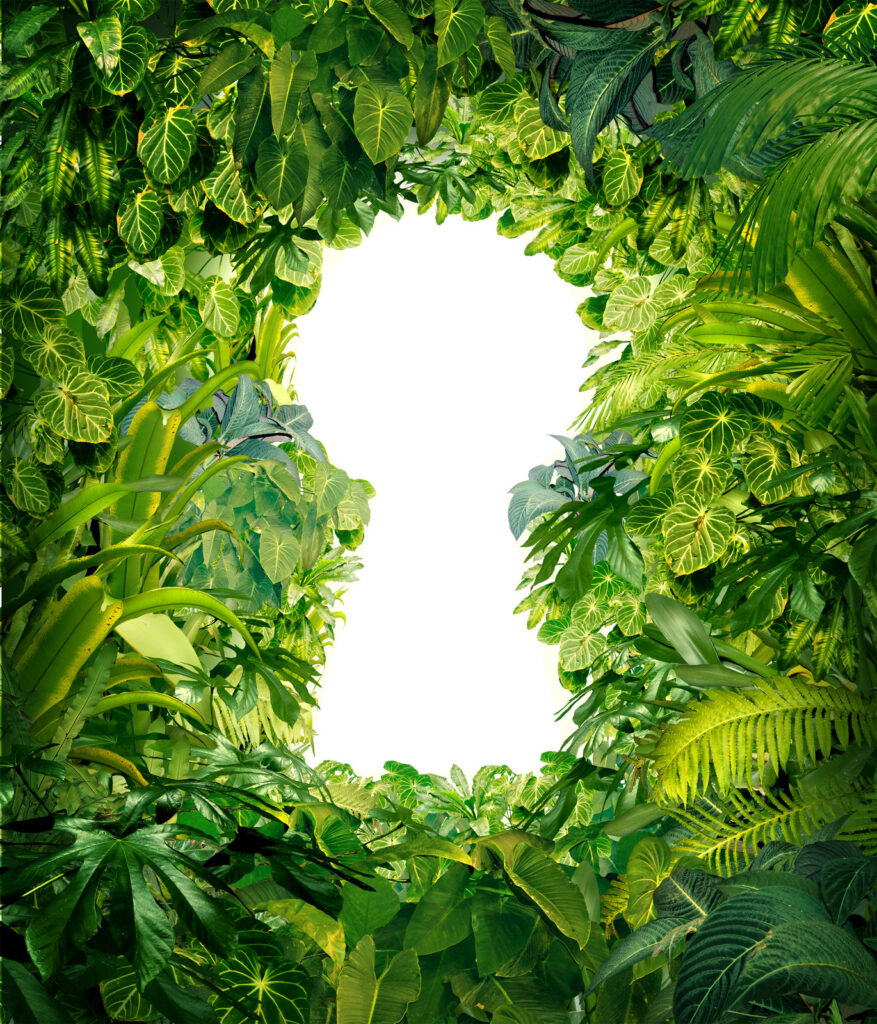
We’re living in a food jungle — an environment filled with ultra-processed, hyper-palatable foods designed to keep us eating, craving, and coming back for more.
In a food jungle:
- food is everywhere
- portions are distorted
- sugar, fat, and salt are engineered for addiction
- stress and tiredness are constant
There’s a reason you feel addicted to ice cream, chocolate, and cakes. They’re designed that way. They override your internal signals so that “just one” rarely stays just one.
Trying to “balance” yourself inside that system is like swimming with crocodiles and expecting them not to bite.
Balance sounds good.
But balance without understanding the system is just survival dressed up as self-control.
I’ve lost count of the times I overeaten or felt unable to stop myself from reaching for one more piece of chocolate. No matter how hard I tried to find balance with food, it stayed just out of reach — leaving me bitter, frustrated, and broken.
The truth is simple:
I didn’t need balance. I needed to stop surviving badly.
Why Balance Alone Doesn’t Work
Most people don’t struggle because they lack discipline.
They struggle because they’re exhausted.
All day you’re:
- making decisions
- managing pressure
- regulating emotions
- resisting temptation
By the time food becomes the focus, your mental resources are already depleted.
Balance doesn’t account for:
- stress
- fatigue
- emotional load
- habit loops
- environment
That’s why balance often collapses at night.
Not because you failed — but because the system failed you.
Reality check:
Balance is what you chase when you don’t yet understand the system you’re living in.
The Food Jungle We’re Navigating
A smarter way to eat starts with seeing reality clearly.
We don’t live in a world of simple hunger and fullness.
We live in a food jungle designed to overwhelm our instincts.
Food companies understand the brain better than most people do. They know how to:
- trigger dopamine to make you feel good
- bypass satiety so you never quite feel satisfied
- pair stress relief with eating so food becomes the default response
So when people say “just find balance with food,” they ignore the fact that:
- you’re surrounded by cues, media, and conditioning
- your nervous system is overloaded
- your brain is wired for relief, not perfection
Balance doesn’t protect you from that.
Understanding does.
A Smarter Way to Eat Starts With Awareness
A smarter way to eat isn’t about stricter rules.
It’s about better awareness.
Instead of asking:
“Am I being balanced?”
Try asking:
- Why does food feel louder right now?
- What am I actually needing?
- Is this hunger — or is it relief?
When you understand what’s driving the behaviour, food stops being the enemy.
It becomes information.
That’s where real change starts.
Why “Trying Harder” Keeps You Stuck
Many people respond to food struggles by tightening control.
They restrict more. Plan harder. Shame themselves when it doesn’t work.
Pathetic. Stupid. Loser.
Those were just some of the names I called myself when I failed to control my late-night snacking. The result? Nothing changed — except the size of the guilt dragging behind me like a ball and chain.
For many people, pressure creates backlash.
The harder you fight the food jungle with willpower alone, the more exhausting it becomes. Eventually, something gives.
That’s not weakness.
That’s biology.
A smarter way to eat works with the nervous system, not against it.
Chasing balance kept me stuck. Understanding set me free.
From Balance to Better Systems
Here’s the shift that matters:
You don’t need perfect balance with food.
You need better systems.
Systems that:
- reduce decision fatigue
- lower stress before food becomes the solution
- create safety instead of deprivation
- work in the real world, not a textbook
When systems improve, balance often follows naturally.
Not because you chased it — but because life became easier to manage.
Finding Balance With Food Looks Different Than You Think
True balance isn’t about eating perfectly.
It’s about eating without fear, guilt, or constant mental noise.
It’s about:
- understanding your patterns
- recognising the food jungle for what it is
- responding with clarity instead of control
That’s a smarter way to eat — and it’s far more sustainable than chasing balance ever was.
This isn’t a quick fix. We all have to take responsibility for our own health.
Critics will say, “No one forces you to buy chocolate.”
That’s like saying no one forces an addict to buy drugs.
But when you develop a detective mindset, you can start to understand what’s really driving your behaviour — and build systems that actually work.
If you want to develop a detective mindset, head over to BestSherlock.com to get started.
Summary: Balance Isn’t the Goal — Understanding Is
If you’re trying to find balance with food and it keeps slipping away, the problem isn’t you.
Balance alone can’t solve a system-level problem.
A smarter way to eat begins when you stop blaming yourself and start understanding:
- your environment
- your nervous system
- your habits
- your needs
When understanding replaces shame, change becomes possible.
Read Next