

Overcoming binge eating should be easy, right?
You just need willpower — or so they tell us.
The truth is, some dangers are obvious.
You don’t debate them.
You don’t negotiate.
You react.
You run.
Food isn’t like that.
Food is necessary.
Food is comforting.
Food keeps us alive.
And that’s exactly why binge eating is so difficult to recognise as a problem — until it’s already one.
“Overcoming binge eating can feel like climbing Mount Everest—but in reality, it’s more like training for a marathon. Difficult, yes. Impossible, no.”
The real problem with food: it doesn’t look dangerous
Recently, I had a dream that changed how I think about food.
In the dream, I open a door and see black spiders. Big ones. Fast ones. Dangerous ones.
I instinctively knew they could run, jump, and bite — and that I needed to get the hell away.
In real life, most people recognise danger when it’s obvious.
There’s no confusion with spiders.
You know they bite.
You know they’re unsafe.
You act.
No one argues with a spider.
But food?
Food can be good.
Food can be bad.
Food can nourish.
Food can quietly harm.
There’s no warning sign.
No label saying this will derail you later.
What starts as comfort becomes compulsion.
What looks harmless becomes disruptive.
What feels soothing ends up biting back.
This is where binge eating lives — in the blurred zone.
And when people ask, “Why do I keep overeating?” the answer is often not what they expect.
👉 Why Do I Keep Overeating? It’s Not What You Think
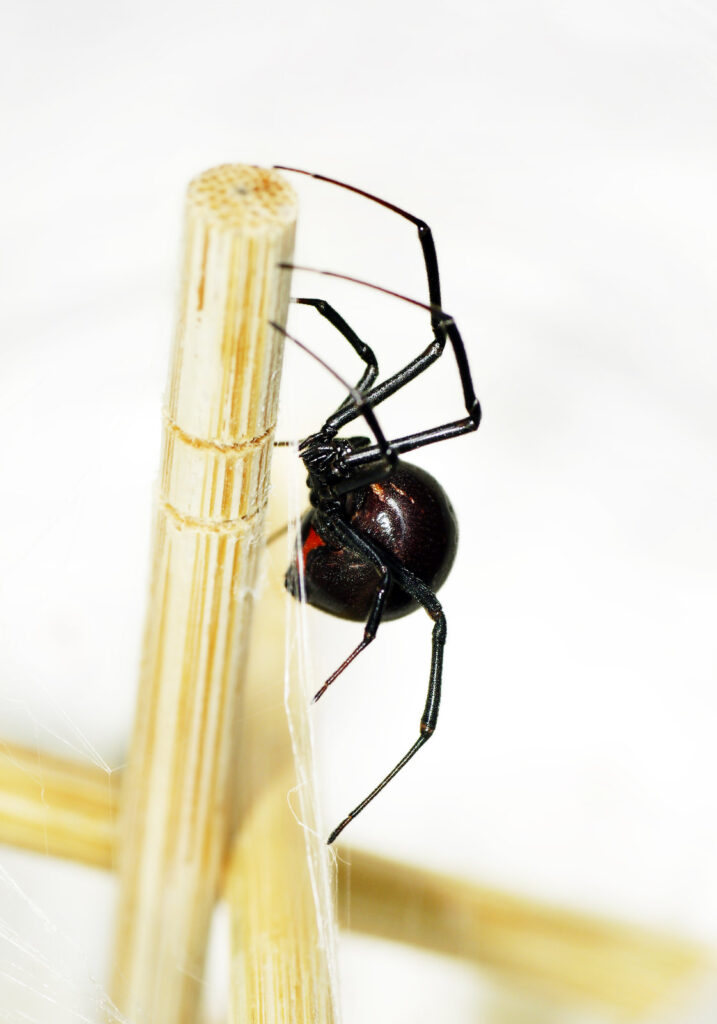

From Black Spider To Painted Crab
In the same dream, the spiders disappear.
Instead, there are crabs.
Beautifully patterned.
Painted.
Decorative.
Now the question isn’t “Is this dangerous?”
It’s “Is this a problem… or not?”
I felt drawn to them. I wanted to reach out.
But something stopped me.
A quiet internal voice saying: everything is not as it seems.
That’s how binge eating arrives.
Not as an emergency.
Not as chaos.
But as:
- “Just this once”
- “I deserve it”
- “I’ll be better tomorrow”
- “At least it’s food, not something worse”
Until the pattern repeats.
Eventually, the painted crab reveals itself as a black spider — but by then, the damage is already done.
Overcoming Binge Eating For Your Health
This isn’t about morality.
It’s about biology.
Repeated binge eating can:
- Destabilise blood sugar
- Increase inflammation
- Disrupt hunger and fullness signals
- Exhaust the nervous system
- Trigger shame → restriction → relapse cycles
Research from Harvard shows that highly palatable foods can interfere with appetite regulation and activate reward pathways in the brain, making it harder to recognise fullness and stop eating naturally.
👉 https://nutritionsource.hsph.harvard.edu/cravings/
This is why many of us find overcoming binge eating difficult. Your body doesn’t experience binge eating as neutral. It experiences it as stress.
I once ate so much Ben & Jerry’s strawberry shortcake ice cream that I vomited all over my bed.
Not my finest moment.
I already felt bad before I started.
Afterwards, the emotional weight had doubled.
As I worked through the tubs, I told myself I was enjoying it.
That it was fine — just this once.
But somewhere underneath, a quieter voice was saying: This is wrong.
The question I didn’t ask at the time was the most important one:
What does bad food actually do to your body?
Because binge eating ultra-processed, engineered food isn’t comfort — it’s a biological stressor.
If you want a deeper look at how cravings and appetite get hijacked, this explains it clearly:
👉 The Psychology Behind Cravings and Appetite
Catching a crab: how binge eating derails everything
There’s a phrase in rowing: catching a crab.
It sounds harmless. Almost funny.
In reality, it’s one of the fastest ways to lose control of a boat.
The oar hits the water at the wrong angle.
The boat jolts.
Balance is lost.
And when you’re rowing with others, everyone is affected.
Binge eating works the same way.
It doesn’t look dramatic beforehand.
But when it happens, it disrupts:
- mood
- energy
- confidence
- trust in yourself
Afterwards, people ask: “How did that happen?”
And that question usually leads straight to self-blame — instead of understanding.

Overcoming Binge Eating With Willpower
This matters, so read this slowly.
Binge eating is not a personal failure.
It’s what happens when ambiguous food meets a tired nervous system.
Overcoming binge eating with willpower alone is a recipe for disaster.
Modern food is engineered to:
- Be easy to overconsume
- Contain sugar where it doesn’t belong
- Deliver fast comfort with delayed consequences
Scientific American reports that ultra-processed foods may stimulate the brain’s reward systems in ways that encourage continued eating even when physical hunger is satisfied.
👉 https://www.scientificamerican.com/article/what-makes-ultraprocessed-foods-addictive/
Your brain evolved for scarcity.
Sweet foods were rare — berries, honey, seasonal rewards.
Today’s food environment exploits that wiring.
Trying to overcome binge eating with willpower alone is like trying to climb Everest naked.
It’s not happening.
This is why calorie tracking and constant monitoring often backfire rather than help.
👉 Calorie Counting Online: Why Tracking Everything Can Backfire
Overcoming Binge Eating Starts Here
You don’t need to fear food.
You don’t need rigid rules.
But you do need accurate threat recognition.
When eating:
- no longer feels nourishing
- repeatedly leads to loss of control
- creates physical or emotional fallout
…it has crossed a line.
At that point, it’s no longer a painted crab.
It’s a black spider.
And spiders don’t need debate.
They need clarity.
The NHS recognises binge eating as a condition involving repeated loss of control around food, often followed by distress or shame.
👉 https://www.nhs.uk/mental-health/conditions/binge-eating/overview/
A calmer way forward
Overcoming binge eating doesn’t start with restriction.
It starts with seeing clearly.
Not all danger looks dangerous.
Not all harm announces itself.
But once you can recognise it,
you stop blaming yourself —
and you start protecting yourself.
If you want to start overcoming binge eating start by forgiving yourself, take a step back and start looking at the bigger picture. View your eating habits as data. Information to be collected. This will help you to remove the emotional guilt attached to overcoming binge eating.
If food feels noisy, exhausting, or mentally consuming, this is a useful next step:
👉 How to Stop Food Noise (Without Counting Calories)
Next Steps To Overcoming Binge Eating
- Be honest about what you’re eating — and how much
- Notice when binge eating starts, not just when it ends
- Create a simple, realistic plan
Understanding blood sugar stability can also help the body recognise fullness sooner and reduce the urge to keep eating.
👉 Breaking Free from Emotional Overeating
Summary: Seeing Binge Eating Clearly
Binge eating isn’t a failure of willpower.
It’s what happens when food stops being clearly safe — and no one teaches you how to recognise the difference.
Modern food doesn’t announce risk.
It disguises it as comfort, reward, or relief.
When you understand this, something important shifts:
- You stop blaming yourself
- You stop fighting your body
- You start responding with clarity instead of force
Overcoming binge eating isn’t about control.
It’s about recognising when something that looks harmless is quietly doing harm — and stepping back before it bites.
Further reading (recommended)
If this article resonated, these pieces explore the same issue from different angles — without diets, guilt, or rigid rules:
- Why Do I Keep Overeating? It’s Not What You Think
Understanding the hidden drivers behind overeating patterns. - The Psychology Behind Cravings and Appetite
How hunger signals, cravings, and the nervous system interact. - How to Stop Food Noise (Without Counting Calories)
Reducing mental load and constant food thoughts. - Calorie Counting Online: Why Tracking Everything Can Backfire
Why monitoring and control can make binge eating worse, not better. - Breaking Free from Emotional Overeating
A calmer approach to eating when food has become emotional support.
Medical disclaimer
This article is for educational and informational purposes only.
It is not intended to diagnose, treat, cure, or prevent any medical or psychological condition.
If you are experiencing severe binge eating, distress around food, or concerns about your physical or mental health, please seek advice from a qualified healthcare professional or your GP.
If binge eating is affecting your wellbeing, relationships, or daily functioning, professional support can be an important and appropriate step.
A